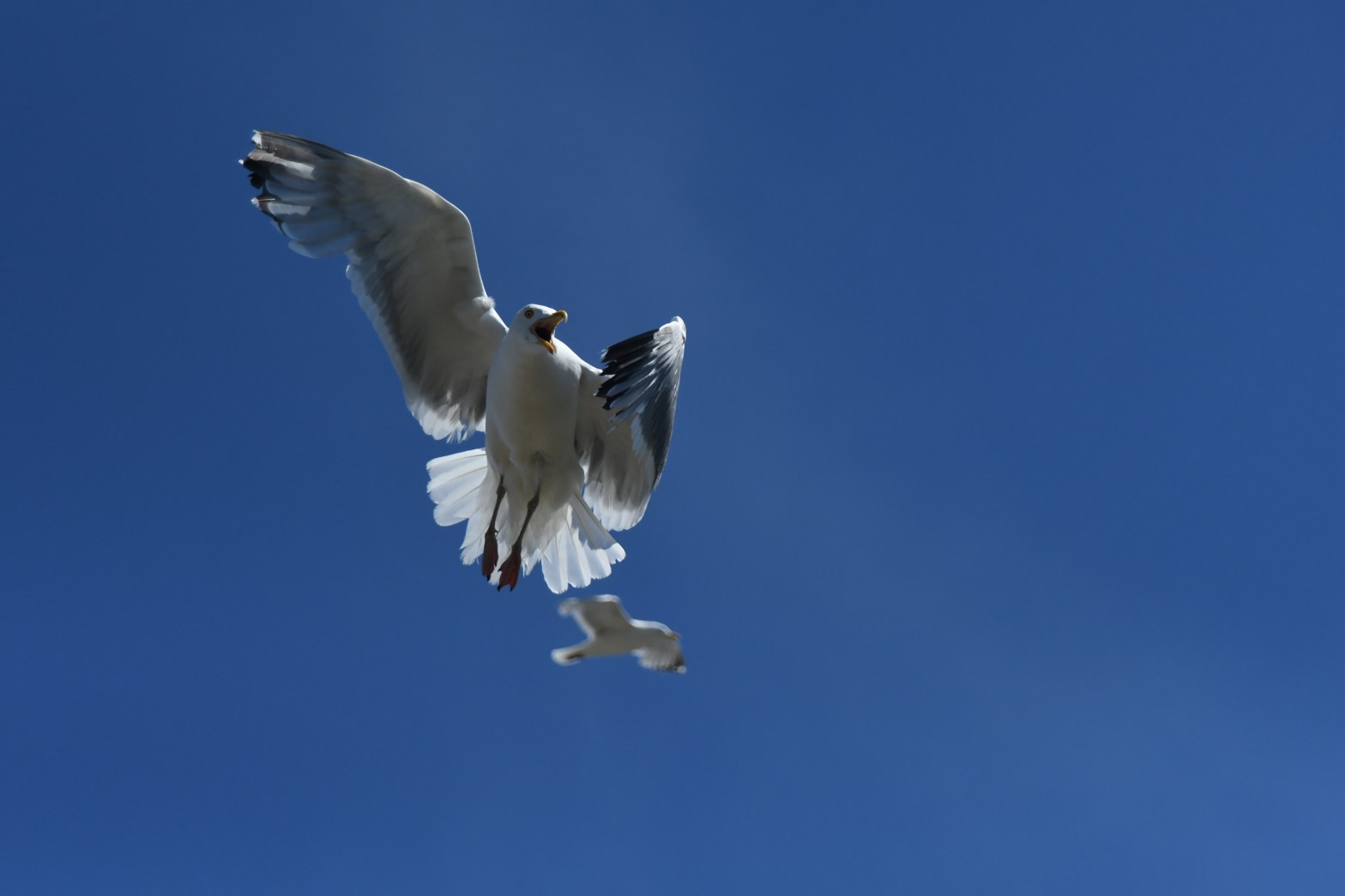
Originally published in the Yale Daily News Magazine (https://yaledailynews.com/blog/2024/05/07/feature-trash-birds/) Like many birders, I have a particular fondness for hawks. Each fall, migrating raptors often gather by the dozens or hundreds, and dedicated observers count them at hawkwatches along their migration routes. Lighthouse Point Park in Connecticut is home to one such hawkwatch, and I spendContinue reading “Trash Birds”
Category Archives: Uncategorized
Petrels

I lived for a month this summer on a small island in the Bay of Fundy. Kent Island was just a mile and a half long, home to little more than grass, a small biological research station, and me and the other twenty or so researchers living there for the summer. Clinging to existence at the edge of the Atlantic, Kent is so remote it has no native mammals, ticks, or snakes. On Sundays, our weekly day off, we could stroll barefoot through the fields, fearless.
California Parrots
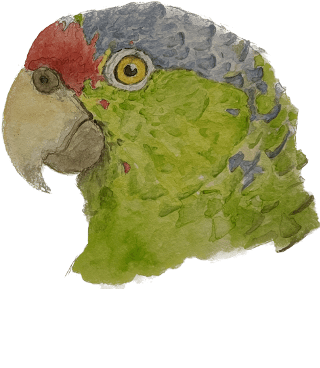
Many of the features that have made Los Angeles so appealing to the movie industry – a gentle climate, habitats ranging from beaches to mountains, scenic and pervasive palm trees – also make it an ideal city for birds. In addition to supporting one of the most diverse native bird communities of any city in the country,[1] Los Angeles County is also notable for being home to a wide range of introduced species from around the world. These birds take advantage of the habitat variety, abundance of food, and surplus of native and introduced plant species to survive. Many, including peacocks, munias, and bulbuls, have established thriving naturalized populations throughout the city.
Chickadees
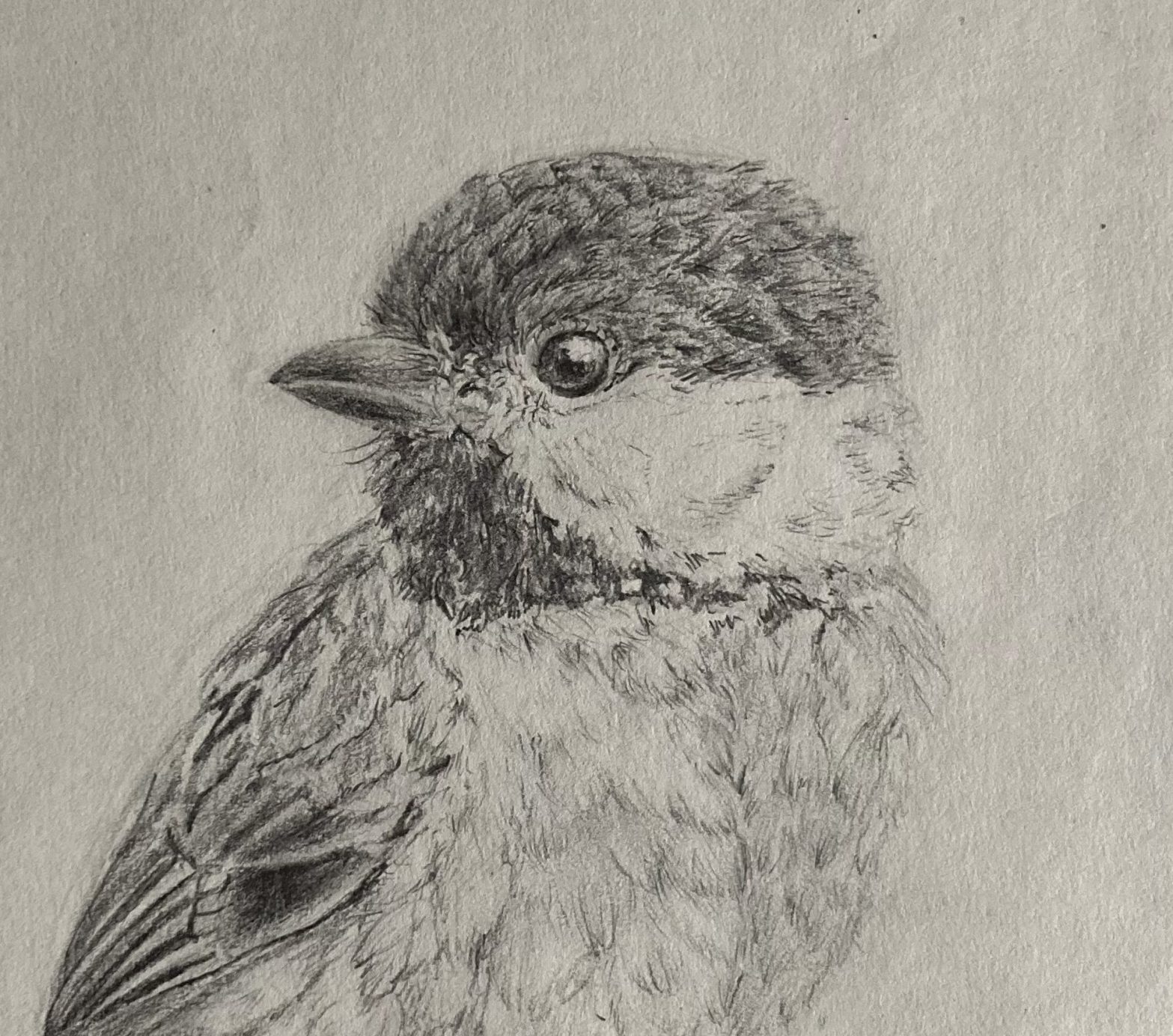
One of my favorite words comes from a bird language: the language of Black-capped Chickadees. It is typically written as chick-dee-dee-dee and is the source of their common name. It is classified as an alarm call and certainly carries meaning, yet is it fair to describe it as a word?
 Molly Hill